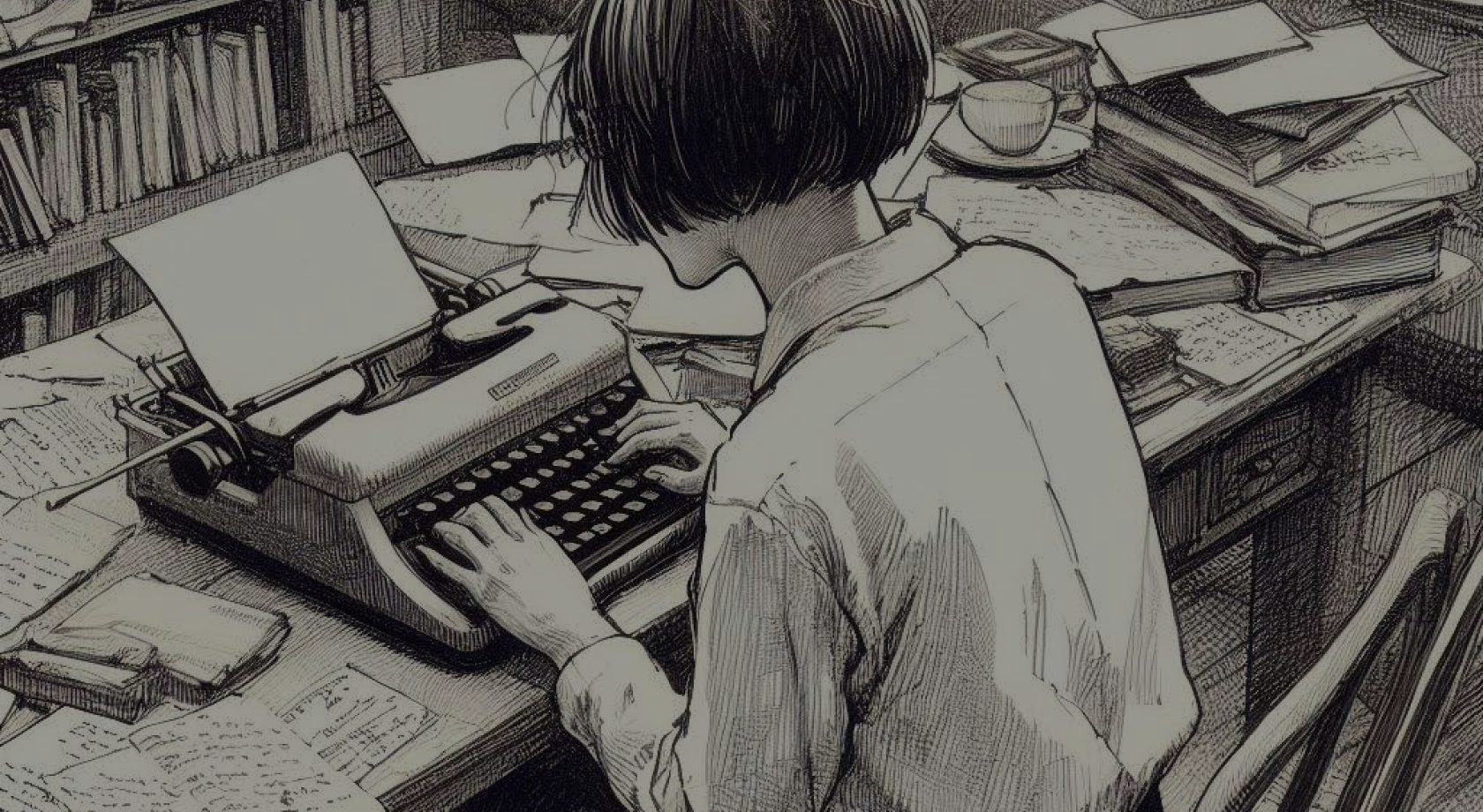

The Beauty of Routine
Here I’ve gathered some of my thoughts on the importance of building a routine tailored to our lives. But is living exclusively by routine enough—and beneficial—for us?
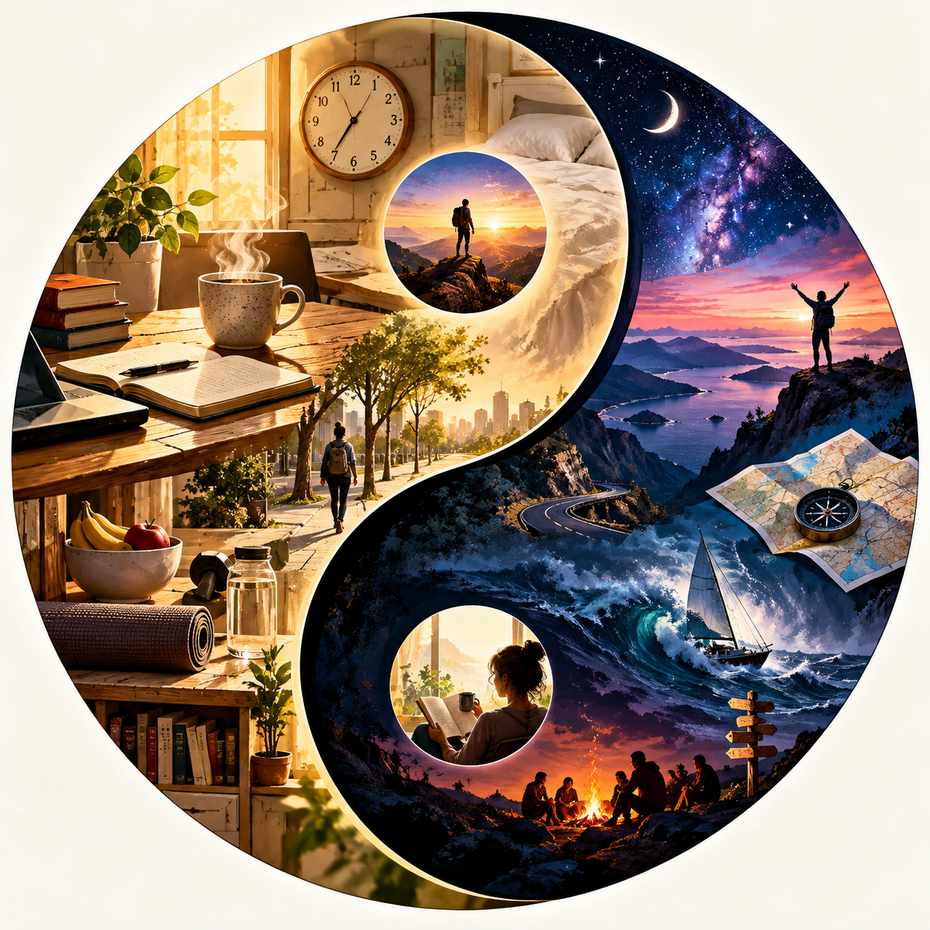
The interplay between routine and the unexpected is like the yin-yang symbol; the two complement each other (image from ChatGPT)
When I retired, I found myself facing a void in my life left by the disappearance of a daily routine that had become the cornerstone of more than three decades of my existence. After the initial shock, I did what I see many people around me do: I let my new routine take shape haphazardly, influenced by the needs of others. Big mistake! I soon discovered the importance of a good routine in regulating my emotional state and as a defense against others’ tendency to occupy and shape how I use my free time.
Filling every free slot in our schedule with tasks is common. That’s why there’s a popular saying that goes, “An idle mind is the devil’s workshop.” Idle time is an invitation to fill the mind with nonsense and exaggerated worries. On the other hand, it’s well known that a lack of free time stifles creativity. In this equation, there’s a middle ground that varies from person to person. My point of balance came from creating my blog. It was here on the blog that the devil who visited my empty mind decided to make his home!
But what to do with the rest of the day when I’m not writing? I discovered that a routine is like a sculpture. You can’t copy someone else’s sculpture, because everyone has their own artistic talent. So it is with a routine: everyone must have their own. Our personal routine defines our identity, for we are the product of what we do repeatedly: what we choose to read, what physical activities we adopt (or don’t), the friends we spend time with and how often we see them, and what we do in our free time. Our routine is the backdrop of our lives.
After working hard to create a routine that was comfortable and meaningful to me, I discovered the enormous mental energy economy that resulted from it. A significant number of small decisions were eliminated once I established the web of almost insignificant details that make up my daily life. The Nespresso coffee machine now sits abandoned in its corner while I prepare the strong, aromatic coffee for my breakfast. I’ve eliminated from my meals everything that was purely about saving time and effort but brought me no pleasure. My shopping list has been simplified to the extreme; I no longer waste my time or money on things that aren’t worth it.
But after a while of living my new, tailor-made, and comfortable routine, I realized I was in danger of falling into boredom. I discovered that routine is like the yin-yang symbol—it must contain a bit of its opposite within it. I had to make time to experience chaos. Chaos is life and an opportunity for growth. The chaos I’m talking about consists of unexpected events, unplanned trips, books chosen at random, a conversation with a stranger, a new route home, an invitation accepted without much conviction. After all, a good routine isn’t one where every day is the same, but one that provides us with enough stability to endure—or even enjoy—the unexpected.
Experiencing unexpected situations requires attention, improvisation, and adaptation; it breaks with automatic habits and forces us to be fully present. However, it’s worth remembering that the constant search for adventure and the unexpected may give us the impression that we’re living life to the fullest, but it’s nothing more than an escape from a life we can no longer bear.
So, the next time you’re faced with the fear of “falling” into a routine, remember that those who live only for novelty may not stay anywhere long enough to put down roots, and those who live only for routine may stop growing. Happiness lies in the middle ground—in a routine that has doors and windows open to the unexpected.